
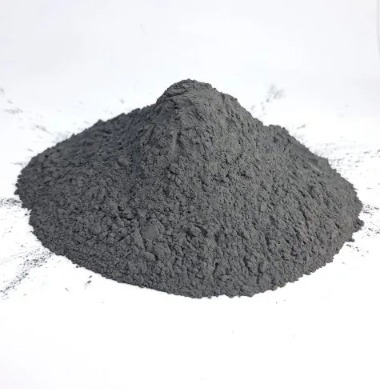
Zinc Ash:
Zinc ash is a byproduct generated during the recycling or processing of zinc, especially from galvanizing operations where zinc is used to coat steel to prevent corrosion. It often consists of a mixture of zinc oxides, unreacted zinc metal, and other impurities that are collected from the dust and fumes produced during the heating or melting processes. Zinc ash typically contains a significant amount of zinc and can be processed further to recover usable zinc through various methods such as hydrometallurgical techniques. It is also important in industrial settings because it can be hazardous if not handled properly due to its potential for releasing toxic substances when heated or improperly disposed of. In summary, while it has useful components that can be recycled back into the production process, care must be taken in its handling and disposal due to environmental and health considerations. Zinc ash, a byproduct of zinc smelting that contains zinc oxide and other compounds, has garnered attention for its potential applications in agricultural production. Here are some key points regarding its importance:
Zinc Nutrient Source:
Zinc is an essential micronutrient for plants. It plays a crucial role in various physiological functions including enzyme activity, protein synthesis, and photosynthesis. Applying zinc ash can help address zinc deficiencies in soils, which can lead to improved crop yields.
Soil Health Improvement:
The application of zinc ash might improve soil health by enhancing the availability of nutrients to plants and promoting microbial activity.
pH Regulation:
Zinc ash has the potential to influence soil pH levels positively, making nutrients more available for plant uptake.
Cost-Effective Fertilizer Alternative:
Using industrial byproducts like zinc ash can be a cost-effective alternative to conventional fertilizers while also promoting recycling and waste reduction.
Sustainable Agriculture Practices:
Incorporating zinc ash into agricultural practices aligns with sustainable farming goals by utilizing waste materials effectively and reducing dependency on synthetic fertilizers.
Crop Quality Enhancement:
Adequate levels of zinc can improve not only the yield but also the nutritional quality of crops, benefiting human health as well when these crops are consumed.
Environmental Impact Reduction:
Utilizing waste materials such as zinc ash can reduce environmental pollution associated with landfilling industrial byproducts while also minimizing the need for chemical fertilizers that may contribute to soil degradation over time.
However, it is important to consider potential risks such as heavy metal contamination or imbalances in nutrient availability when using industrial byproducts like zinc ash in agriculture; thorough testing and management practices should be conducted before application on crops.
Reviews
There are no reviews yet