
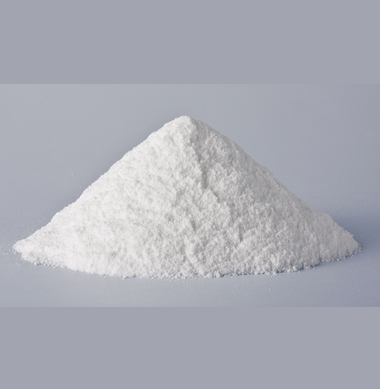
Zinc Oxide:
Zinc oxide (ZnO) is an inorganic compound that appears as a white, powdery substance. It is insoluble in water but soluble in acidic or alkaline solutions. Zinc oxide (ZnO) plays a crucial role in agriculture production due to its role as a source of zinc, an essential micronutrient for plants.
1. Essential Nutrient for Plant Growth
Zinc (Zn) is a micronutrient that plays a vital role in the physiological and biochemical processes of plants, such as:
• Enzyme Activation: Zinc activates several enzymes involved in protein synthesis and metabolism.
• Hormone Production: It is essential for the synthesis of auxins (growth hormones), which regulate plant growth.
• Photosynthesis: Zinc is necessary for chlorophyll production, which is crucial for photosynthesis.
• DNA/RNA Synthesis: It is involved in gene regulation and protein synthesis.
2. Corrects Zinc Deficiency
Zinc oxide is widely used to address zinc deficiencies in soil and crops. Zinc deficiency is common in calcareous, sandy, or high pH soils. Symptoms include:
• Stunted plant growth
• Chlorosis (yellowing of leaves)
• Poor seed and fruit development
• Deformed leaves (e.g., “little leaf” syndrome)
Applying zinc oxide as a fertilizer helps restore proper plant growth and improve crop yields.
3. Improves Crop Yield and Quality
The application of ZnO can lead to:
• Higher crop yields
• Improved seed quality and size
• Enhanced nutrient content in grains and vegetables
• Better resistance to environmental stress
4. Sustainable Crop Production
Zinc oxide supports sustainable agriculture by:
• Boosting nutrient-use efficiency
• Enhancing plant tolerance to drought and diseases
• Promoting healthy root development and seed germination
5. Application Methods
Zinc oxide can be applied in different ways:
• Soil Application: Directly added to soil as a fertilizer to increase zinc availability.
• Foliar Spray: ZnO can be dissolved and sprayed on leaves for quick absorption.
• Seed Coating: Used to improve seed germination and early plant growth.
6. Improves Human Nutrition
Zinc deficiency in soil can translate to zinc-deficient crops, which impacts human health. Zinc-enriched crops improve the nutritional quality of food, combating malnutrition in populations reliant on cereals.
Conclusion
Zinc oxide is a cost-effective and efficient source of zinc in agriculture. By addressing zinc deficiency, it promotes better crop productivity, soil health, and food nutrition, ultimately contributing to global food security.
Reviews
There are no reviews yet